
The Grand Ethiopian Renaissance Dam and the Geopolitics of Power
- News
7/10/2025
When Ethiopia inaugurated the Grand Ethiopian Renaissance Dam (GERD) in July, it did more than switch on Africa’s largest hydroelectric plant. It lit up one of the most fascinating stories in global infrastructure: how a developing nation self-financed a $5 billion megaproject after the World Bank and other multilateral lenders stepped away, and how that choice has reshaped both regional geopolitics and the debate around valuation of large-scale assets.
Financing as a Political Statement
Large infrastructure projects are rarely just about engineering. They are instruments of national identity, sovereignty, and power projection. What makes the GERD remarkable is not only its physical scale (5,150MW of capacity, a reservoir larger than Greater London) but the fact that it was almost entirely funded domestically.
- Citizen Bonds and Donations: Ethiopians contributed through salary deductions, bond purchases, and fundraising campaigns.
- State Commitment: Government budgets were diverted into construction despite competing priorities.
- Absence of Multilateral Backing: The World Bank reportedly declined involvement, citing the project’s contentious impact on downstream countries.
From a valuations perspective, this raises an important point: when a project is funded outside traditional capital markets, its worth is measured not just in discounted cash flows but in political capital, public sentiment, and the ability to project influence. Ethiopia effectively priced sovereignty into the asset.
Valuation Beyond the Balance Sheet
For investors or governments, valuing an infrastructure asset typically involves assessing expected returns, operational risks, and lifecycle costs. The GERD complicates this model in three ways:
- Political Premium: The dam’s symbolic role as a unifier in a divided nation inflates its perceived value far beyond its financial yield. The “return” is also measured in national pride.
- Regional Risk: Egypt and Sudan fear reduced Nile flows, warning of “grave consequences.” These geopolitical risks could affect the asset’s long-term viability, creating uncertainty that is hard to quantify in traditional valuation models.
- Future Cash Flows: While GERD will provide electricity to almost half of Ethiopia’s population and create export revenues, those revenues depend on regional agreements and demand stability, variables influenced as much by diplomacy as by market economics.
In short: the GERD demonstrates how valuation in contested regions must include a geopolitical lens. A purely financial appraisal misses the strategic, diplomatic, and security dimensions.
Geopolitics on the Nile
The Nile basin dispute illustrates how infrastructure funding is inseparable from geopolitics. For Egypt, which relies on the Nile for more than 90% of its freshwater, the dam threatens national survival. For Sudan, it brings both opportunities for cheaper power and fears of reduced agricultural flow.
Despite years of negotiations, no binding agreement exists on how the dam’s water will be managed in times of drought. Ethiopia asserts its sovereign right to use its natural resources; Egypt clings to historic treaties that grant it dominant rights. The result is a standoff, with the dam’s turbines spinning in the shadow of unresolved diplomacy.
Here, valuation again becomes political. How do you assess the long-term value of an asset when its output is hostage to interstate negotiations? The GERD could be a perpetual revenue generator, or a stranded asset if regional conflict escalates.
Lessons for Global Infrastructure
Ethiopia’s choice to self-fund GERD challenges the traditional model where large African infrastructure relies on external finance. This has implications well beyond Addis Ababa:
- New Sovereignty Model: By avoiding international lenders, Ethiopia gained control but assumed higher domestic risk. Other nations may see this as a template to reduce reliance on conditional aid or loans.
- Investor Hesitation: For external investors, GERD highlights why funding politically sensitive infrastructure carries reputational and operational risks that may outweigh financial returns.
- Valuation Complexity: For analysts and advisors, projects like GERD show why valuations must move beyond financial models to incorporate political, environmental, and social risk frameworks.
Ultimately, the dam reflects a broader truth: infrastructure is never just concrete and steel. It is a barometer of national ambition and regional power.
The Broader Question
As Hickman Shearer Senior Director James Fox noted, the GERD is “a great story for the region” but also an object lesson in the geopolitics of funding. When major lenders withdraw, nations may take bolder, riskier paths to achieve sovereignty over their infrastructure, with valuation becoming as much about geopolitics as economics.
For Ethiopia, the GERD marks a symbolic break from its Live Aid past, reframing the narrative from dependency to self-determination. For the wider world, it poses a question: how should we value megaprojects that are as much about political leverage as they are about power generation?
Because in the end, the GERD is not just an energy asset. It is a reminder that valuation, in regions of high political tension, must capture the intangible costs and benefits of sovereignty, pride, and power.
About Hickman Shearer
At Hickman Shearer, we specialise in delivering exceptional RICS and ASA certified capital asset valuation, management, and sales services. Our expertise span a wide range of global industries, ensuring that we provide tailored and insightful commercial valuations and equipment valuation services to meet your unique needs. With a strong track record of delivering robust and independent advice, we are committed to supporting businesses in achieving their strategic objectives. Find out more here >> About Us
Sign up to our Industry Insights Newsletter to stay up to date with the latest industry updates >> Subscribe
Follow our developments on Linkedin >> Follow Us
Next Insight
UK housebuilding market 2025: A valuation outlook >>
Insights
News & Case Studies
News
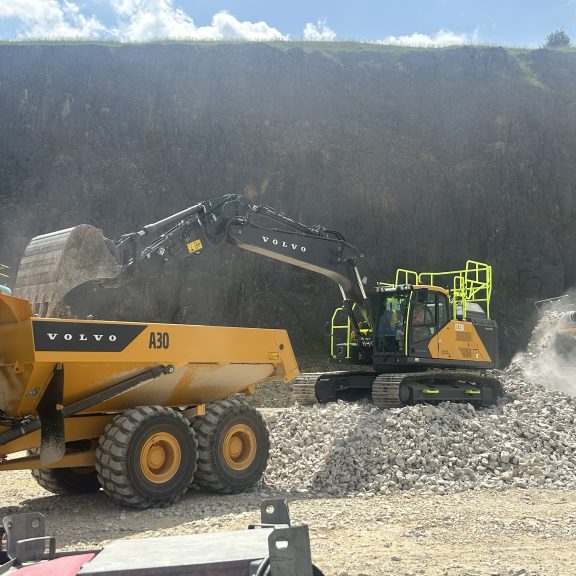
Hillhead 2026: The future of plant is making existing assets work harder
15/07/2026
News
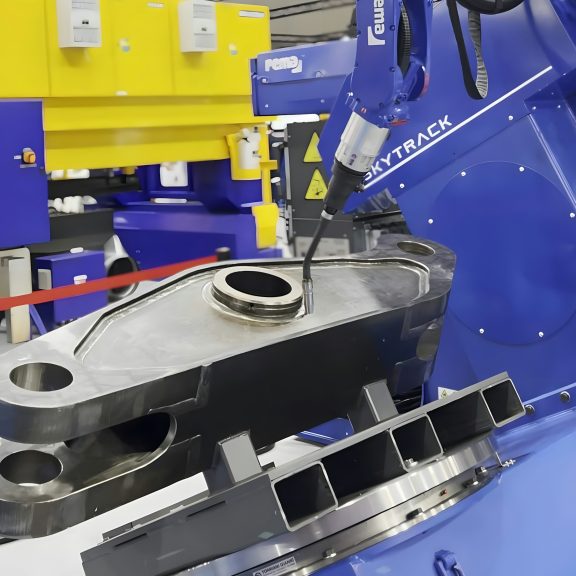
MACH 2026: Technology is accelerating, but asset strategy is becoming the bigger conversation
15/07/2026
News
Higher for Longer: What the Current Interest Rate Environment Means for Asset Valuations
15/07/2026